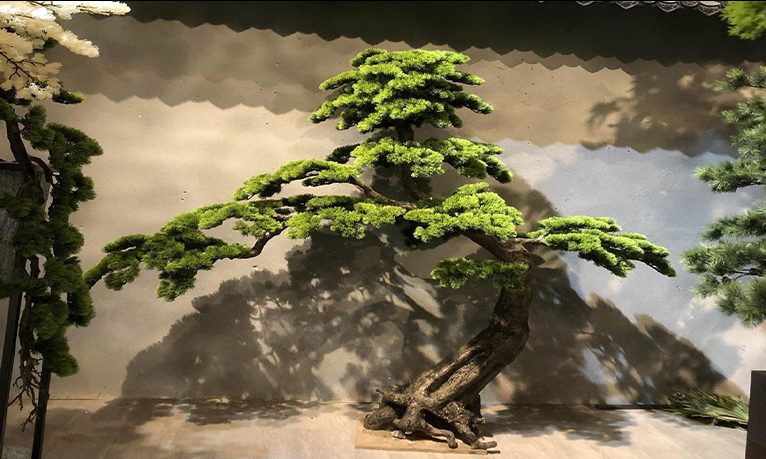
The use of nature-inspired elements in interior decoration has noticeably increased in recent years. From homes and offices to hotels and restaurants, plants have become an important part of the decor in many different spaces. However, due to hectic lifestyles and maintenance requirements, using real plants is not always practical. At this point, artificial plants—especially bonsai trees—stand out as an aesthetic and practical alternative.
Thanks to advances in production technologies today, artificial bonsai trees can offer very realistic appearances. However, there are large differences in quality on the market. Some products are easily recognized as artificial at first glance, while certain bonsai models can provide a realism that is hard to distinguish from natural trees. For this reason, there are some important details to pay attention to when choosing a quality artificial bonsai.
Why Are Artificial Bonsai Preferred in Decoration?
Bonsai trees are decorative elements that reflect nature’s aesthetic balance on a miniature scale. Traditionally, bonsai grown from real plants require significant effort and care. Watering, pruning, light balance and climate conditions are among the most sensitive aspects of bonsai care.
Artificial bonsai models can provide the same aesthetic effect without these maintenance processes. They are a very practical solution for users who want a long-lasting and consistent appearance in interior decoration.
Artificial bonsai applications are frequently preferred in high-traffic areas such as offices, shops, restaurants, and hotel lobbies. The main reason is that these plants do not lose their form over time and do not require constant care.
Key Elements That Make an Artificial Bonsai Look Realistic
Whether an artificial bonsai is high quality can often be determined by a few basic details. These details directly shape the product’s overall decorative impact.
The first aspect to consider in a realistic bonsai model is the tree’s overall form. Because bonsai trees in nature have a certain aesthetic balance, this balance should also be preserved in artificial models. A trunk with natural curves and branches that spread in a balanced way help the bonsai appear realistic.
In addition, the scale balance of the bonsai is very important. Branch thickness, leaf density and trunk structure should be harmonious. Otherwise, the bonsai tree may look like an artificial ornament.
Trunk Structure: The Most Important Indicator of Realism
The most important element that determines quality in artificial bonsai trees is the trunk structure. Real bonsai trunks develop over time and acquire a natural character. Therefore, in high-quality artificial bonsai models the trunk surface should resemble the texture of natural wood.
A natural bonsai trunk is not smooth and flawless. It has gentle inclines, fine crackled textures and organic twists. These details convey a sense of age and history. In quality artificial bonsai models these textures are carefully crafted.
By contrast, lower-quality products often feature a single-piece plastic trunk form. In such items the natural wood texture is not felt and the bonsai appears artificial.
Leaf Texture and Color Transitions
Another important factor that makes an artificial bonsai look realistic is the leaf detailing. In real bonsai trees leaves are not a single flat color. There are natural transitions between lighter and darker tones.
In quality artificial bonsai models, the leaf color tones are designed to reflect these natural transitions. It is also important that the leaf surface has a matte texture. Excessively shiny, plastic-looking leaves can weaken the sense of realism.
Leaf density is also important for decorative effect. Very dense or irregularly placed leaves can disrupt the natural form of the bonsai. A balanced leaf distribution strengthens the bonsai’s aesthetic appearance.
Branch Placement and Natural Form
Branch placement is of great importance in the art of bonsai. Branches are generally positioned within a certain aesthetic order. This arrangement ensures the bonsai looks balanced and natural.
In high-quality artificial bonsai models, branches extend in a natural flow toward different directions. If all branches point the same way or are at the same height, the bonsai will look artificial.
Also, slight tapering at the ends of branches creates a realistic appearance. In nature, tree branches thin toward their tips, and this feature should be perceptible in quality bonsai models as well.
The Role of Pot Design in Decoration
In bonsai decoration, not only the tree itself but also the pot design is an important element. Traditional bonsai pots usually have a simple and balanced design. This simplicity allows the tree’s aesthetic form to stand out.
In quality artificial bonsai models, pots are often made of ceramic, stone-textured, or naturally looking materials. These types of pots enhance the bonsai’s decorative effect.
Plastic and low-quality pots can negatively affect the overall appearance of the bonsai. Therefore, it is important to pay attention to pot design when selecting a bonsai.
Detail Quality in Professional Products
A realistic artificial bonsai usually emerges thanks to attention to detail. When trunk texture, leaf shape, branch placement and color balance come together, the bonsai gains a natural appearance.
For this reason, bonsai models used in decoration projects are generally designed by professional manufacturers. Firms that specialize in interior landscaping and decorative plant applications particularly prefer products with a realistic appearance.
Brands offering artificial plant and decoration solutions, such as Çinpa, evaluate aesthetic and quality criteria together when selecting such products. Bonsai models with a natural appearance become an important element that strengthens decorative cohesion in interior designs.
The Key to Achieving Naturalness in Decoration
When chosen correctly, artificial bonsai trees can create a very impressive result in interior decoration. A realistic bonsai model can establish a natural atmosphere in its environment and reinforce the aesthetic balance of the space.
When selecting a quality artificial bonsai, it is very important to pay attention to details such as trunk structure, leaf texture, branch placement and pot design. These details make the bonsai not just a decorative object but a design element that completes the character of the space.
A well-chosen bonsai tree can remain an effective decorative piece for many years, reflecting the elegant aesthetics of nature in its setting.
Çinpa's Signature at the NATO Summit: Protocol Road–Airport Road 3,500 m² Vertical Garden Installation
In the run-up to the NATO Summit held in Turkey, preparatory and landscape works carried out across the city helped give Ankara’s major transport axes a stronger appearance.
Address
Gülveren Mahallesi Plevne Caddesi No: 296 06350 Mamak/ANKARA - TÜRKİYE
Follow Us on Social Media


REVIEW




 0505 299 21 46